Ron Howard, Hollywood’s cherished director and former child star, has publicly revealed the darkest challenges behind his celebrated career, naming six actors from Hollywood’s golden age whose temperaments and behaviors tested his famed patience like never before. His revelations expose a raw, hidden side of Tinseltown’s legendary personas.
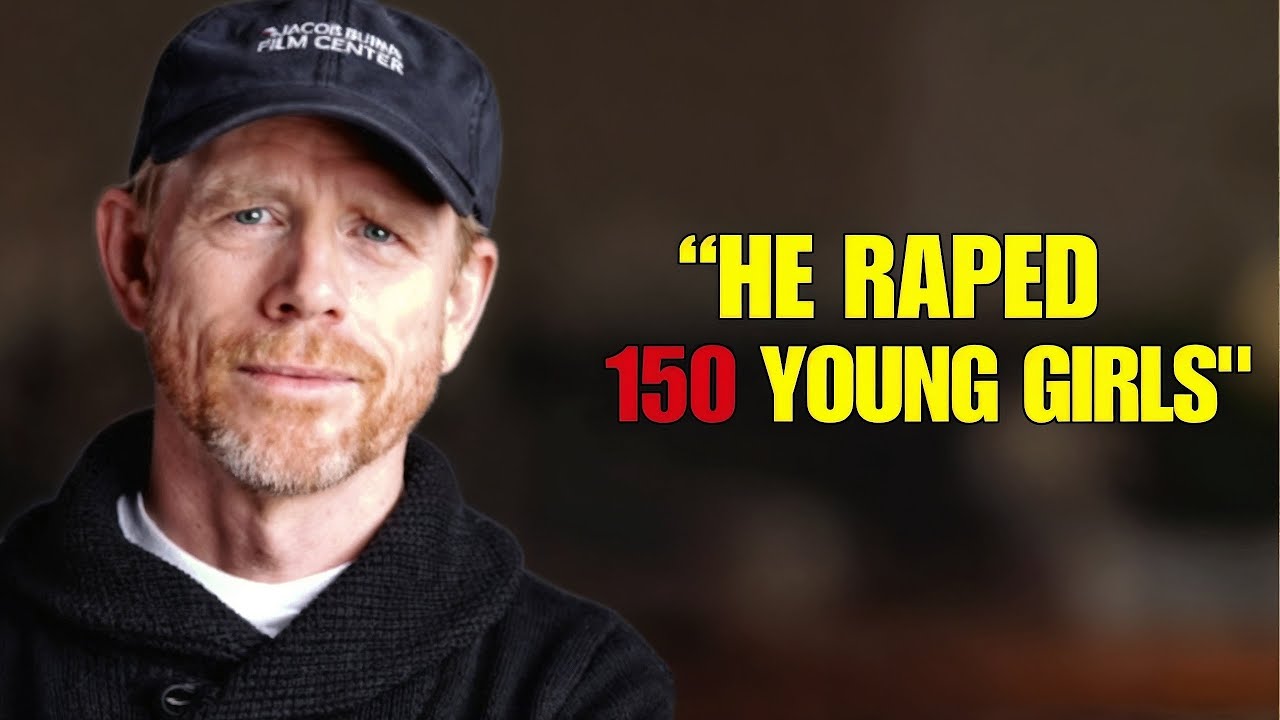 Known for his calm leadership and respectful collaboration, Ron Howard’s career has been a masterclass in professionalism. Yet behind the scenes, not all relationships were harmonious. Howard’s encounters with some of Hollywood’s biggest names presented trials that reshaped his approach and tested his limits of tolerance.
Starting with Andy Griffith, whose public image as the kind sheriff clashed starkly with behind-the-scenes temperament. Ron’s youthful admiration turned to cautious navigation of Griffith’s increasing irritability and control struggles during the final seasons of The Andy Griffith Show, culminating in a final fractured professional bond.
Howard recalls the chilling transition from mentor to a daunting presence whose temper and authoritative grip created a tense environment. His experience shaped Howard’s imperative belief that kindness shown on screen must translate off-camera. Griffith’s legacy, though beloved, concealed harsh realities for those who worked closest with him.
Next, Tom Sizemore’s infamous volatility challenged Howard’s steady directing style during the tense filming of Ransom. Sizemore’s erratic behavior caused costly delays and disruption, forcing Howard to halt production to regain control. His unpredictable presence was a storm to contain on Howard’s meticulously managed set.
 Howard confesses to rare moments of visible frustration, a testament to Sizemore’s power to unravel the precise, family-like atmosphere the director cultivated. Despite this, Howard never publicly condemned Sizemore, though silence on his passing suggests unresolved tensions. Such instances highlight the fraught balance of artistry and discipline in Hollywood.
Shelley Long’s tenure on Night Shift was a battleground of control versus spontaneity. Her demand for scripting exactness clashed with Michael Keaton’s improvisational style and Howard’s collaborative methods. This conflict tested the young director’s leadership, teaching him invaluable lessons on managing strong-willed performers without sacrificing creative harmony.
Long’s insistence on rigid precision created daily confrontations and stalled filming, pushing Howard to silently strategize ways to maintain progress amid mounting tension. Her approach embodied a professional rigidity Howard would strive to avoid in future collaborations, emphasizing the delicate art of balancing actor autonomy with production needs.
Russell Crowe’s intense dedication to authenticity during A Beautiful Mind morphed into an epic clash of wills. Crowe’s relentless scrutiny of every camera angle and line sparked ongoing standoffs with Howard’s guiding direction. This volatile partnership, though artistically successful, ended abruptly, leaving no chance for future collaborations.

Howard’s account reveals that Crowe’s demand for raw truthfulness felt 𝓉𝒽𝓇𝑒𝒶𝓉𝑒𝓃𝒾𝓃𝑔 to his own collaborative philosophy. The film’s critical acclaim masked the personal strain endured on set. Crowe’s own comments underscored the divide: seeking truth over goodwill, indifferent to the fractures caused in pursuit of art.
Marlon Brando’s presence on set proved a nightmare despite his legendary status. His refusal to learn lines, erratic disappearances, and on-the-spot script rewrites wreaked havoc on production. Howard’s controlled environment was repeatedly disrupted, pushing the director to his breaking point as the project spiraled into chaos and collapse.
Brando’s disregard for the filmmaking process challenged Howard’s core principles of respect and professionalism. The resulting disarray was a hard lesson for the director: even icons can jeopardize a film’s success through unchecked behavior. This tumultuous experience exemplifies the cost when artistry is eclipsed by ego.
 Finally, Henry Winkler’s ascendance on Happy Days shifted dynamics, sidelining Howard’s originally central role. Winkler’s breakout popularity altered the show’s focus, leaving Howard feeling pushed aside despite his foundational presence. The changing narrative underscored the harsh realities of fame and power struggles within beloved productions.
Howard’s reflections acknowledge the necessity of adaptation, yet reveal a personal sense of loss as his starring spotlight faded. The tension was not born from personal animosity but from professional repositioning, illustrating how quickly success and status can reshape relationships behind the scenes.
Ron Howard’s candid disclosures underscore that even the industry’s gentlest giants wrestle with profound internal conflicts. His experiences with these six iconic actors reveal the volatile undercurrents that often belie Hollywood’s polished façade, illuminating the hidden battles fought on the path to cinematic greatness.
These accounts reinforce Howard’s steadfast commitment to a respectful, disciplined work environment. His dedication to collaboration over chaos, patience over ego, and professionalism over impulse defines his enduring legacy. The true cost of perfection in Hollywood emerges not in the spotlight, but in the daily struggle to harmonize artistry and temperament.
As Howard continues shaping Hollywood’s future, his lessons from the past stand as powerful reminders that behind every masterpiece lies complex human 𝒹𝓇𝒶𝓂𝒶, and that even the nicest director has a breaking point when respect and professionalism are compromised.
Source: YouTube