A major allegation has erupted across social media and the hip-hop community, implicating prominent media personality Say Cheese in the federal investigation of rapper Pooh Shiesty. The explosive claim was leveled in a lengthy, unfiltered video monologue by OG Product, a controversial figure known for his street commentary. The video has sent shockwaves through the industry, directly challenging the credibility of several high-profile bloggers and artists.
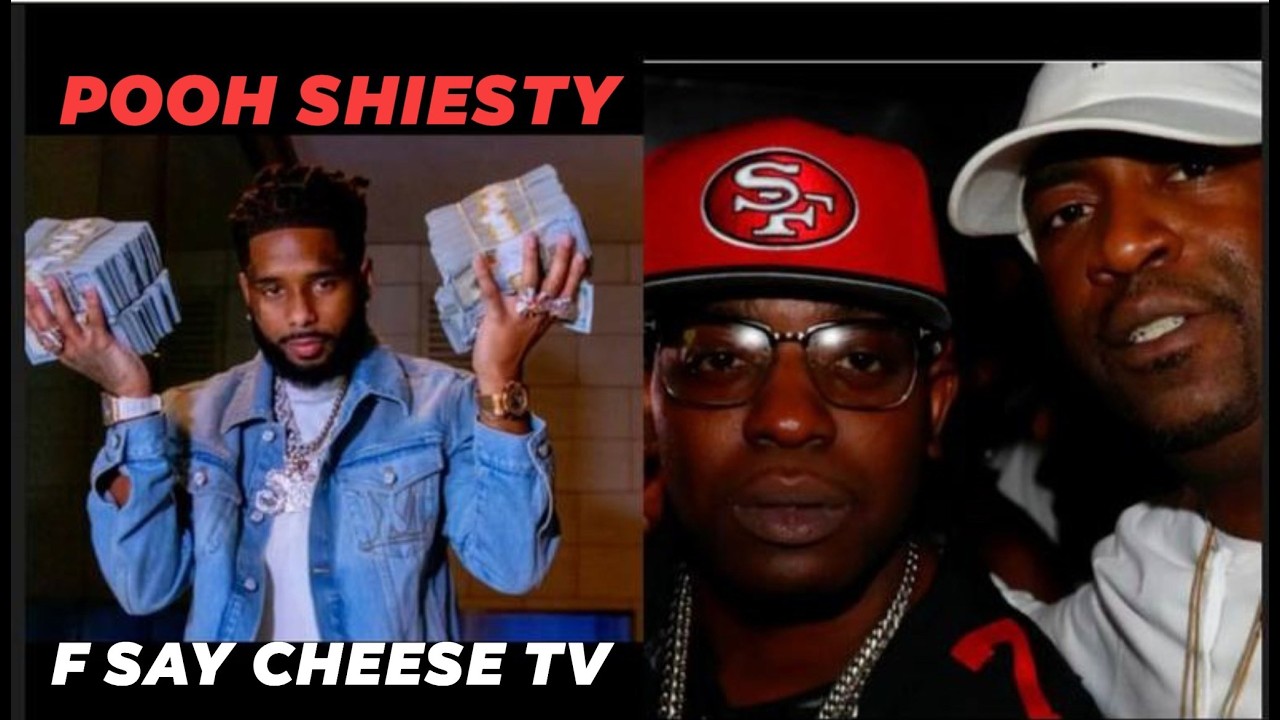 OG Product alleges that Say Cheese, after being denied a paid interview with Pooh Shiesty, provided information to authorities that contributed to the rapper’s legal troubles. “I believe Say Cheese snitched on Pooh Shiesty cuz he felt some type of way because Pooh Shiesty dubbed him and told him $50,000,” OG Product stated in the video. He suggests the blogger’s actions were motivated by disrespect after the financial demand was made.
The rant places multiple figures under scrutiny, extending beyond Say Cheese. OG Product criticizes the entire landscape of hip-hop media, accusing platforms like VladTV and personalities such as Tony Yayo and Uncle Murda of being “cloud chasers” who damaged the interview game by paying for access. He claims this practice undermined the respect-based system of the past and empowered “suburban” influencers without authentic street credibility.
Further intensifying the 𝒹𝓇𝒶𝓂𝒶, OG Product alleges hypocrisy, pointing out that many who criticize others for alleged informant behavior have themselves platformed known informants. “Y’all sitting down with a real active rat… y’all sat down with the Bronx River Legend,” he said, referencing Tekashi 6ix9ine. This, he argues, reveals a willingness to do anything for views, eroding the genre’s foundational principles.
The video also serves as a broader indictment of the current state of New York hip-hop, which OG Product declares “dead.” He lambasts a generation of artists and commentators as inauthentic, claiming they “wood ride” trends set by others. He saves particular scorn for 50 Cent, accusing him of tarnishing his brand by chasing clout online, contrasting him with the more reserved business approach of Jay-Z.
These allegations strike at the core of street culture’s most sacred taboo: cooperation with law enforcement. If the claims gain traction, they could permanently damage Say Cheese’s reputation and influence within the industry he covers. The situation underscores the volatile intersection of social media, hip-hop journalism, and street politics, where accusations carry immense weight.
OG Product positioned himself as a lone truth-teller in a landscape of “goofies,” stating he left social media for five years to avoid such dramas. His return with these claims suggests a deliberate escalation. He repeatedly emphasized his own authenticity and survival through numerous street conflicts, framing his commentary as coming from a position of uncompromised experience.

The fallout from these allegations remains to be seen. No direct evidence was presented in the video, relying instead on street gossip and personal interpretation of events. However, in the court of public opinion, such claims can be devastating. The video has ignited fierce debate online, with listeners dissecting every claim and insult.
This incident highlights the power shift in hip-hop media, from traditional gatekeepers like VladTV to a new wave of streamers and commentators. OG Product argues that the old guard is now desperate, unable to compete with the financial resources of newer “sugar daddy” platforms that pay exorbitant sums for exclusive content.
As the story develops, all eyes are on Say Cheese and the other named individuals for a response. The silence from their corners is deafening amidst the growing online storm. The allegations threaten not just individual careers but also the fragile ecosystem of trust between street artists and the media personalities who profit from their stories.
The broader implication is a deepening cynicism within the culture. OG Product’s central thesis is that friendship, loyalty, and authenticity have been commodified and sold for clicks and subscriptions. His tirade, while chaotic, paints a picture of an industry in moral crisis, where everyone is suspect and real stand-up individuals are a vanishing breed.
Ultimately, this is more than a personal feud; it is a referendum on the soul of hip-hop in the digital age. The coming days will reveal whether these fiery allegations gain substantive traction or dissolve into the noise of endless online 𝒹𝓇𝒶𝓂𝒶. For now, a cloud of suspicion hangs over some of the most recognizable names in the genre’s media landscape.
https://www.youtube.com/embed/TjHnVu8AIvs