Ferrari is poised to unleash a groundbreaking blown exhaust system at the Miami Grand Prix that could upend the entire Formula 1 season. Operating within a contentious regulatory gray area, this innovation may force the FIA into mid-season rule changes and ignite fierce technical and political battles across the paddock.
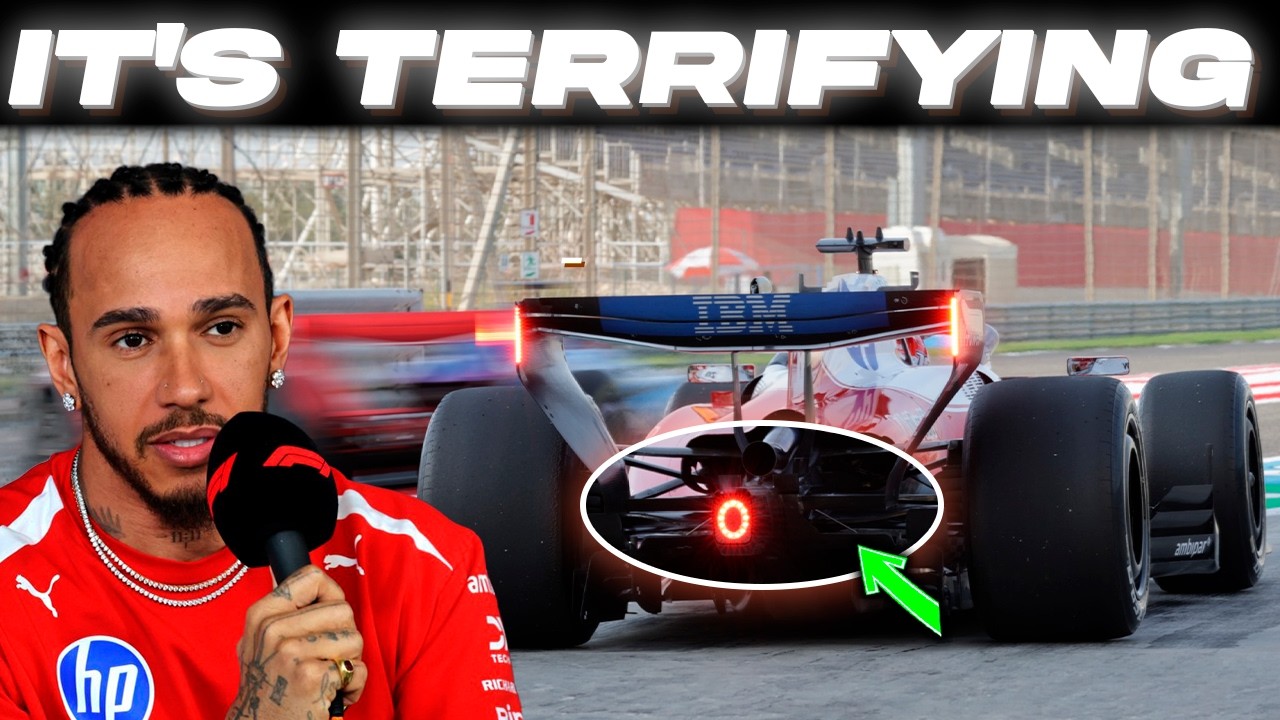 This is no ordinary upgrade. Ferrari’s new system revives the controversial blown exhaust concept, cleverly disguised within current regulations. It integrates engine and aerodynamic elements so deeply that the car is effectively built around controlling exhaust gas flow, delivering unprecedented performance advantages unseen since the bans of years past.
The Italian team’s technical coup represents years of frustration and strategic recalibration, pivoting on the 2026 regulation changes. With the removal of the MGU-H hybrid component, Ferrari saw an opportunity to exploit exhaust gas behavior in ways competitors never considered, rewiring their entire car design philosophy from engine to aerodynamics.
Central to this innovation is a small but critical flap placed where Ferrari redesigned internal components, like the differential, to create space. This component manipulates exhaust gases actively to boost aerodynamic efficiency, a move that threatens to warp the competitive landscape and resurrect one of F1's most fiercely debated technologies.
The paddock is buzzing. Rival teams are not idly watching Ferrari’s gamble; they are probing the legality and potential impact intensely. While the FIA has yet to intervene, pressure is mounting to clarify if this system violates the sport’s spirit, despite its strict adherence to letter-of-the-law loopholes.

Miami is now the focal point. It will be the battleground where Ferrari’s system moves from theory to track reality. Should Ferrari’s design deliver as expected on race day, it could launch an era of dominance so profound that competitors won’t catch up without a fundamental redesign in their own approaches.
This looming showdown carries enormous risk. If the FIA cracks down and deems the system contrary to regulatory intent, Ferrari could face the loss of its core design advantage, a devastating blow mid-season with no quick fixes. Conversely, ignoring it might unleash a paradigm shift fueling a technical arms race.
Beyond performance, this breakthrough shifts the balance of power. Control over exhaust flow as an aerodynamic tool offers Ferrari strategic command over races, influencing tire wear, downforce, and fuel consumption in ways rivals cannot immediately counter. This could redefine race strategies and team dynamics moving forward.

The controversy rekindles memories of the blown diffuser era, which dominated before its ban due to the unfair edge it provided. Ferrari’s reinterpretation operates inside existing rules but challenges their spirit, forcing the FIA and teams alike into potentially divisive decisions about F1’s future technical boundaries.
If Ferrari withstands scrutiny, the psychological impact will ripple through the field. Teams like Red Bull, Mercedes, and McLaren face not just catching a faster car but reconsidering their entire developmental philosophy mid-campaign. This upheaval threatens to rewrite the competitive script of the 2026 season and beyond.
Political maneuvering is inevitable. When innovation skirts the edge of legality, protests and urgent technical directives often follow. Ferrari’s calculated risk reveals confidence in their interpretation, but the unfolding conflict will test FIA’s willingness to preserve fair play versus allowing engineering ingenuity to push boundaries.

The stakes in Miami extend beyond a single race; they encompass the integrity and direction of Formula 1’s evolving technical regulations. A ruling against Ferrari could trigger rapid regulation tightening, while acceptance might herald a revolutionary approach, blending powertrain and aerodynamics in seamless, unprecedented harmony.
As Ferrari prepares to demonstrate this radical concept under race conditions, the entire Formula 1 community braces for ramifications that could reshape the sport’s competitive landscape. The question now is no longer whether Ferrari broke new ground, but if F1 is ready to accept such transformative innovation.
This story is developing fast, and all eyes are on Miami. The FIA’s forthcoming stance will determine if this moment marks the dawn of a new technical era or sparks one of the most explosive controversies in recent Formula 1 history, with consequences reverberating well beyond the checkered flag.
https://www.youtube.com/embed/GVf_3P2q6kU