In a 𝓈𝒽𝓸𝒸𝓀𝒾𝓃𝑔 revelation, fans of the classic sitcom "Three's Company" are discovering bizarre behind-the-scenes secrets that could have altered the course of television history. From casting controversies to unexpected exits, the show's legacy is filled with surprising twists that have remained hidden for decades.
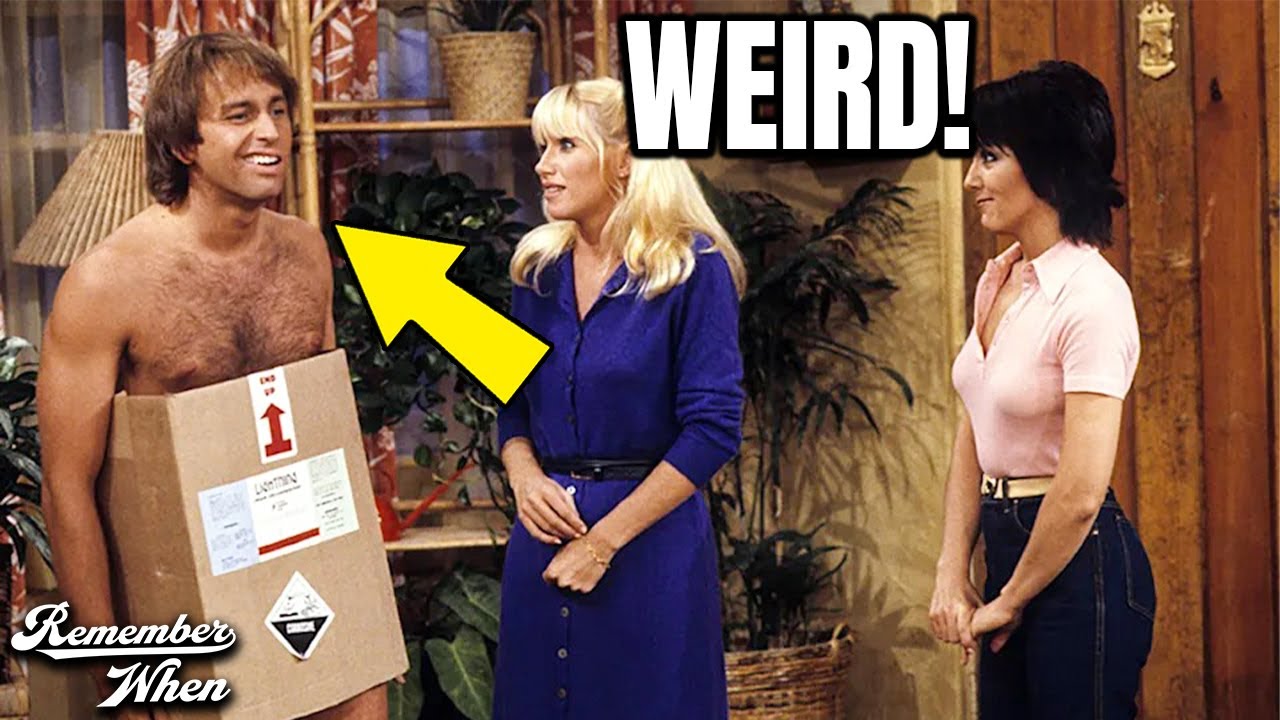 As we explore the lesser-known facts about this iconic series, one standout moment involves Suzanne Somers’ explosive salary demands that led to her abrupt exit. By season five, the tension behind the scenes escalated, with producers scrambling to manage scripts, often color-coding them to accommodate Somers’ sporadic appearances.
Meanwhile, the show’s original concept was nearly scrapped after three failed pilots. John Ritter, initially cast as a different character, was ultimately chosen as Jack Tripper, a decision that transformed the series into a cultural phenomenon.
 Adding to the intrigue, it turns out that the catchy theme song was penned by the same mastermind behind the "Sesame Street" theme. Joe Raposo’s musical genius gave "Three's Company" its unforgettable introduction, setting the stage for the slapstick comedy that would follow.
In a twist of fate, John Ritter's son, Jason, made an unintentional cameo in the series, wandering into a scene during a zoo opening. This innocent moment became a charming Easter egg in the show's history, showcasing the unpredictable nature of sitcom filming.

The rivalry between Joyce DeWitt and Suzanne Somers, which lasted over three decades, is another 𝓈𝒽𝓸𝒸𝓀𝒾𝓃𝑔 revelation. Their cold war began during Somers’ salary dispute and persisted long after the show ended, highlighting the complexities of on-set relationships that often go unnoticed.
 Even the character of Jack Tripper faced an existential crisis when the writers introduced a love interest who vanished without explanation. This storyline was abruptly cut, leaving viewers puzzled and further emphasizing the chaotic nature of sitcom writing.
As we dive deeper into the history of "Three's Company," it becomes clear that the series was not just about laughter; it was a battleground of egos, creative clashes, and unexpected moments that shaped its legacy.
With each revelation, fans are reminded that behind the laughter lies a tapestry of 𝒹𝓇𝒶𝓂𝒶 and intrigue that adds depth to the beloved show. The legacy of "Three's Company" continues to captivate audiences, proving that even decades later, the secrets of its production still resonate.