Don Rickles, the legendary king of insult comedy, secretly revealed a grueling, tension-filled night on the set of “Casino” that forever altered his view of Hollywood collaboration. The iconic comedian confessed he never forgave co-star Robert De Niro, exposing a rare, darker chapter in his celebrated career.
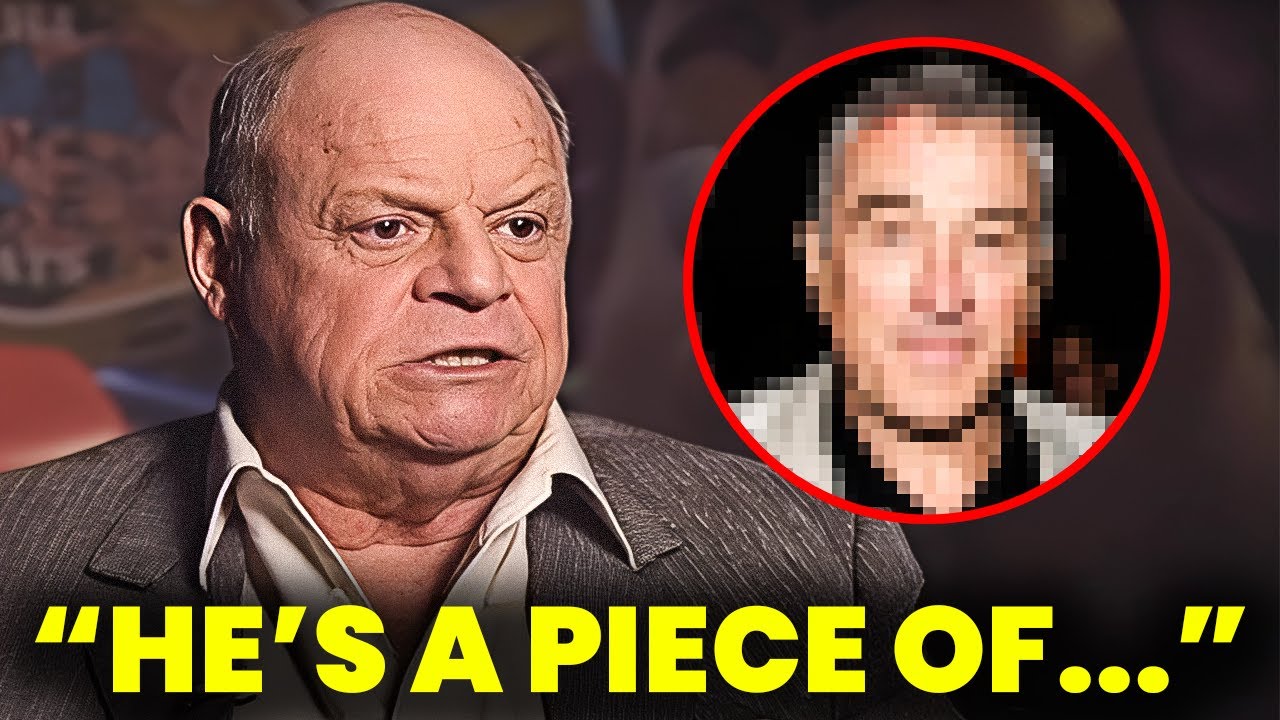 Known for his rapid-fire wit and fearless roasting of Hollywood’s biggest names, Don Rickles was unshakable—until a painstaking night on Martin Scorsese’s set shattered his professional rhythm. During a marathon shoot deep into the Las Vegas night, the famously fast-talking comic faced an environment so suffocatingly methodical it drained his spirit completely.
Rickles had joined “Casino” hoping to expand his craft, stepping into Scorsese’s meticulously crafted mob 𝒹𝓇𝒶𝓂𝒶 alongside Robert De Niro. But what should have been a triumphant crossover became a nightmare of endless retakes and silence so thick, it swallowed every joke before it landed. For Rickles, whose art thrived on immediacy and live reaction, the slow, deliberate pace was unbearable.
With cameras rolling past midnight on the casino floor, cigaret smoke hung heavy as Rickles’ patience frayed. De Niro, locked in method acting mode, delivered lines with painstaking precision, each pause measured, each glance rehearsed—an unforgiving contrast to Rickles’ instinctive comedic timing. The resulting tension created a stifling atmosphere that no amount of charm could dispel.
By 4 a.m., Rickles, exhausted and frustrated, muttered a dry quip about the endless takes that fell flat in the silence. Unlike his usual quick-witted responses to tension, this moment broke his composure. He finished the scene and silently walked off the set, marking the end of his tolerance for that grueling environment and igniting a quiet but lasting feud.
 For decades, Rickles kept the ordeal under wraps, preserving his sharp comedic persona in public while silently carrying the weight of that night. Only in his twilight years did he candidly share the story in a rare, intimate interview, 𝓈𝒽𝓸𝒸𝓀𝒾𝓃𝑔 fans and insiders by naming De Niro and Scorsese as central to the suffocating vibe he couldn’t endure.
Rickles acknowledged De Niro’s brilliance but laid bare how the actor’s unyielding seriousness and Scorsese’s relentless pursuit of perfection created a dynamic that drained the life from him. This was no typical Hollywood gripe; it was a heartfelt admission from a man whose career was built on thriving within chaos and unpredictability.
Industry insiders were stunned. The man who had roasted Sinatra and outwitted Johnny Carson had drawn a line in the sand that no amount of star power could erase. His revelation reverberated through Hollywood circles, sparking debates on artistic style clashes, the demands of method acting, and the fragile chemistry required on set.
Rickles never publicly disparaged De Niro or Scorsese, maintaining respect while asserting his own boundaries. He emphasized that brilliance does not guarantee compatibility—an important reminder that even legends operate in different creative universes. His experience underscored the nuanced tensions behind the scenes of cinematic masterpieces.

The story also serves as a cautionary tale for performers transitioning from live comedy to film, where spontaneity often yields to painstaking repetition. Rickles’ ordeal revealed how the pressure cooker environment of Hollywood method acting can feel like artistic purgatory to those fueled by immediacy and laughter.
Rickles himself hinted his eventual break came when even his sharpest jabs failed to cut through the stone-cold stillness. A well-timed joke about the pace of filming was met with silence, revealing a set atmosphere so heavy no humor could survive. That moment crystallized his decision to never revisit that world.
Despite starring in the iconic “Casino,” Rickles confessed he never watched the film in full after its release, preferring to skip his scenes to avoid reliving the exhausting process. This admission highlighted the deep personal cost of working in an environment that stifled his essence as a performer.
 The revelation also peeled back Hollywood’s glamorous veneer, showing that even greats like Rickles can feel alienated by the very projects meant to cement their legacy. His story 𝓮𝔁𝓹𝓸𝓼𝓮𝓭 the hidden toll of high art and perfectionism, where the human element sometimes gets lost amid cinematic grandeur.
Rickles’ unexpected confession shattered long-held assumptions about his career’s smooth sailing. It served as a testament to his authenticity and refusal to compromise his creative identity, even late in life when speaking out carried significant risk in an industry favoring diplomacy.
In a final, characteristic twist, Rickles suggested he might have embellished parts of the tale just to keep audiences guessing—a trademark blend of truth and mystery that defined his career. Yet the impact of his story remains undeniable, a sober reminder of the personal battles behind the spotlight’s gleam.
Ultimately, Don Rickles’ candid account revealed not only a personal wound but a fundamental truth about artistic collaboration: compatibility matters as much as talent. His choice to speak openly, yet with a smirk, ensured the story would resonate long after the laughter faded.
This breaking disclosure from the comedy legend deepens our understanding of the man behind the jabs and the complexities of working with Hollywood titans. It reminds us that even the toughest jokers have limits—and some punchlines hurt too much to tell.