Tiger Woods has revealed plans for one more comeback to professional golf, but this time the stakes are profoundly different. The legendary athlete battles not just physical setbacks but grief and emotional strain following personal loss, reshaping a narrative once fueled by dominance into one of resilience and rediscovery.
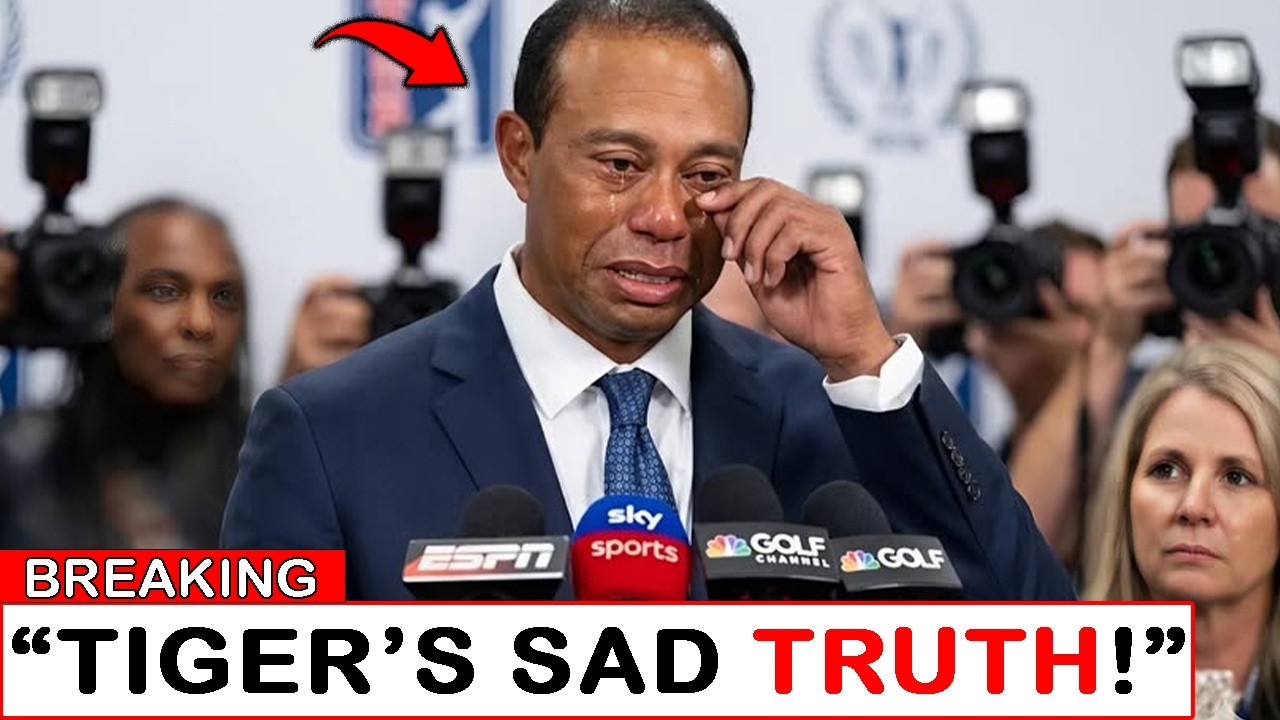 There’s an unmistakable shift in the atmosphere surrounding Tiger Woods. Gone is the usual roar of anticipation, replaced by a heavy, contemplative silence. This is not the typical comeback story rife with boundless optimism. It’s a deeply human portrait of a sporting icon grappling with pain far beyond the physical.
Once the unstoppable force of golf who redefined greatness, Tiger’s latest chapter is marked by struggles that transcend any tournament leaderboard. After enduring multiple injuries and surgeries, his latest hurdle is the loss of his mother, a pillar in his life and career, leaving an emotional void impossible to mend with practice swings or therapy sessions.
In early 2025, after withdrawing from the Genesis Invitational citing unreadiness, Woods opened up about the overwhelming grief enveloping him. The weight of this loss shifted everything—changing how the world views his pursuit not as a mere athletic comeback, but as a profound journey of healing and persistence.
Amidst his grieving process, fate dealt another blow. Tiger suffered a rupture in his left Achilles tendon during training, culminating in surgery and an indefinite hiatus. This new injury forced yet another pause, stacking against a career already battered by back surgeries, knee repairs, plantar fasciitis, and a horrific 2021 car crash.
Tiger Woods’ injury timeline is less a chronicle of athletic wear and tear and more a saga of survival. Each setback chips away at the once invincible legend, spotlighting the brutal reality of a body tested relentlessly by the physicality demanded in professional golf’s elite sphere.
By 2026, Woods admits hitting full shots remains inconsistent, and everyday physical endurance is limited. His candid admission reveals an athlete painfully aware of his body’s limitations, fighting not for historical records but simply to reconnect with the game that defined him for decades.

The stark honesty from a man once deemed invincible resonates deeply in the golf community. His approach now rejects chasing records or titles, focusing instead on rediscovering the simple joy of playing golf—stripping away years of pressure, triumph, and towering expectations, exposing his raw love for the sport.
This comeback is radically different from the high-octane returns of the past. Tiger’s narrative has evolved from conquest to affection — a man grappling with the game’s loss of his mother’s guiding presence, fighting on in memory of the woman who nurtured his earliest steps toward greatness and inspired his iconic Sunday red.
In March 2026, Tiger’s tentative return at the TGL marked his first competitive appearance since mid-2024. While not a triumphant victory, the appearance symbolized a breakthrough. The eagerness to play again outweighed the result, affirming that Tiger Woods’ spirit to compete remains undiminished despite the physical toll.
His body, however, bears the unmistakable marks of time and trial. “My body doesn’t recover like it did when I was 24 or 25,” Woods said, encapsulating the brutal reality for athletes at the highest level. Golf demands impeccable physical readiness, offering no sanctuary for weakened resilience or faltering stamina.
This new era of Tiger Woods reminds us that golf is unforgiving. It refuses to ease the grind, demands four rounds at peak skill and focus, and turns no blind eye to physical fragility. The struggle now is as much against his body as it is the competition, redefining what a comeback can mean in professional sport.

Beyond injury, the passing of Tiger’s mother strikes at the foundation of his career. She was more than a parent — she was the architect of his passion, a constant presence at junior tournaments and the bearer of traditions that shaped his persona and strength on the greens. Her loss echoes through every step forward.
Golf insiders acknowledge Tiger’s influence remains colossal even as his competitive future shifts. At 50, he still commands attention and respect not through sheer athleticism alone but through his enduring impact on golf culture and his role in steering the sport’s future, transcending the scoreboard.
This comeback narrative extends beyond mere trophies or leaderboard positions—it’s about bravery, endurance, and love for the game amid adversity. Tiger Woods embodies a different kind of victory: the relentless pursuit to reconnect with the sport, honor his legacy, and move forward despite overwhelming odds.
Conversations hint at a new phase in Woods’ career, possibly involving the PGA Tour Champions circuit, where accommodation for physical limitations like riding carts makes competition feasible. This adjustment underscores a candid acceptance of change, marking an end to overlapping shadows of past glory with present realities.
We are no longer measuring Tiger against his former self but assessing what remains and what’s possible. This realism, though sobering, carries profound truth—revealing a man whose legacy isn’t confined to past triumphs but to ongoing courage and an unyielding bond with golf’s challenges and joys alike.

For fans yearning for a “peak Tiger” resurgence, the news may sting. Yet, the authentic story is one of resilience, not fantasy. Tiger Woods’ forthcoming comeback won’t be tainted by illusions of dominance but will stand as a testament to his heart and will, battling fatigue, grief, and expectation on his own terms.
If Tiger steps onto the first tee again, after all he has endured, the moment will transcend sport. It will symbolize the triumph of spirit over injury, memory, and time. It’s not just about winning; it’s about returning to the passion that built an extraordinary life. That may be Tiger Woods’ most profound legacy yet.
This story reminds us why golf matters beyond trophies and records. It’s about identity, perseverance, and the courage to find your way back when everything seems lost. Tiger Woods isn’t chasing ghosts—he’s chasing a timeless truth: the love of the game itself, no matter the cost or the odds against him.
The tale unfolding now is both heartbreaking and inspiring—proof that one of golf’s greatest still fights not for glory but for belonging, connection, and the simple, pure joy of competition. His journey invites us all to reconsider what it means to come back and what it means to truly win.
As this new chapter unfolds, the question lingers: What matters more to Tiger’s legion of fans—a return to contention or a raw, authentic presence back in the arena? Either way, Tiger Woods’ story is far from over, and its impact remains as penetrating as ever, demanding our attention and respect.
Stay tuned as this evolving saga continues to remind the world that sometimes the greatest victory is not in conquering but in enduring—and in refusing to let go of the passion that defines a lifetime, no matter how steep the climb may be. Tiger Woods’ comeback is a lesson in humanity as much as it is in sport.
Source: YouTube