In a stunning revelation, Charlie Woods, son of golf legend Tiger Woods, declared he no longer aspires to compete at the Masters, a tournament synonymous with his father’s legacy. At just 17, Charlie’s candid remarks have sent shockwaves through the golf community, prompting a fierce response from Augusta National.

After a challenging performance at the Junior Invitational, where he finished last, Charlie faced intense scrutiny. For three days, he isolated himself, grappling with the immense pressure of living up to his father’s storied name. When he finally spoke out, his words were both a relief and a revelation.
Charlie expressed exhaustion from the relentless comparisons and expectations that have shadowed him since childhood. “I’ve spent my whole life trying to live up to something I didn’t choose,” he stated, emphasizing that he no longer equates success with winning a green jacket. His admission resonated deeply, sparking a global conversation about the burdens placed on young athletes.
The golf world reacted swiftly. Many praised Charlie for his honesty and courage, while critics questioned his commitment. The hashtag #CharlieSpeaks trended on social media, highlighting the divide in public opinion. Some argued that his statement was a sign of weakness, while others viewed it as a brave declaration of independence.
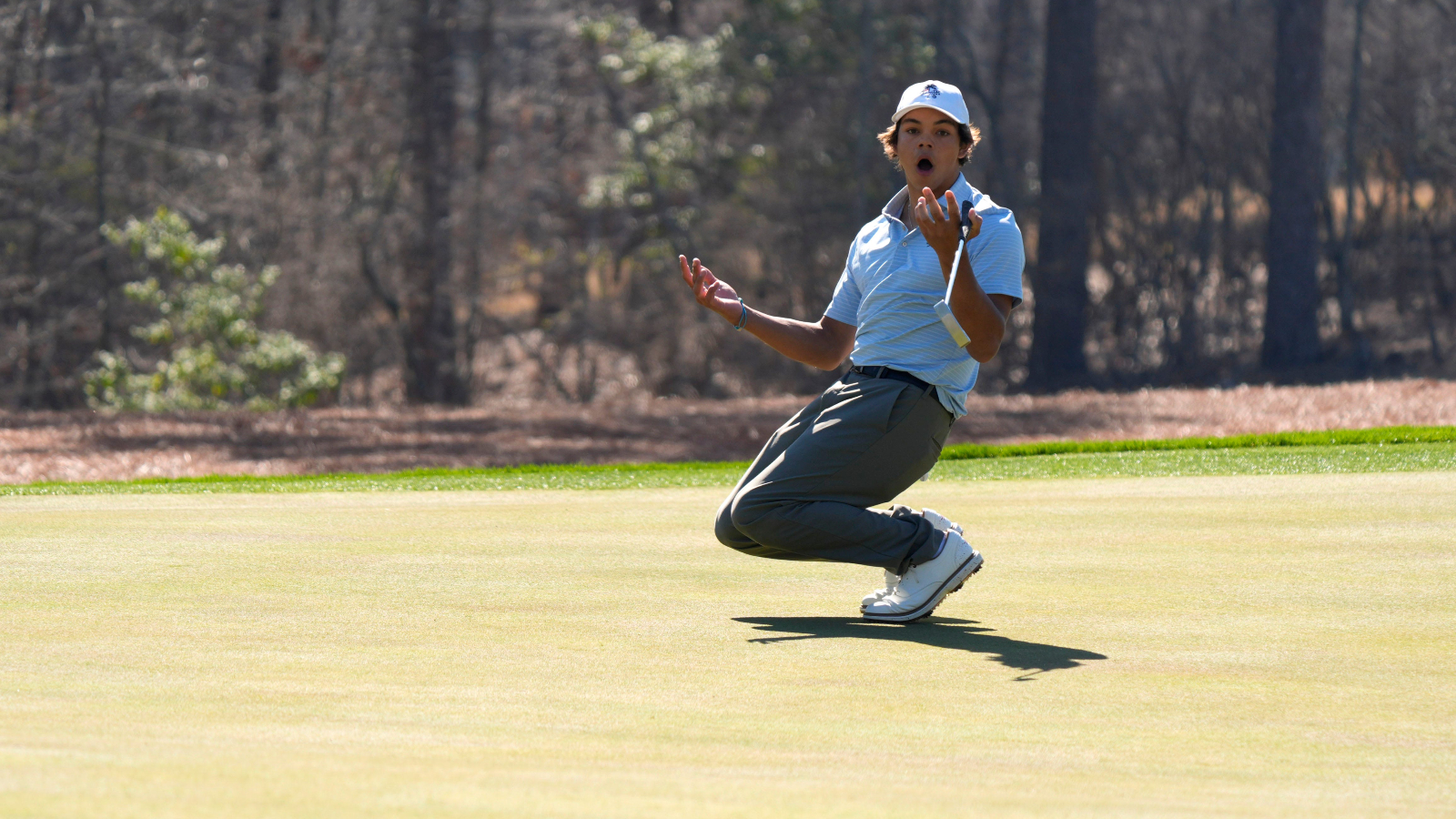
In an unprecedented move, Augusta National responded to Charlie’s comments with a stern statement, asserting that the Masters is not a birthright but something that must be earned. This marked a significant departure from the tournament’s usual silence regarding controversies, underscoring the seriousness of Charlie’s remarks.
The statement from Augusta was not just a defense of the tournament; it was a warning. The message was clear: those who do not wish to compete for the Masters’ prestigious title are free to pursue other paths. This reaction only intensified the discourse surrounding Charlie’s future in golf.

Amid the turmoil, the Woods family remained largely silent until Charlie’s mother, Elin Nordegren, publicly supported her son. Her statement emphasized that Charlie’s happiness and mental health take precedence over any tournament. This maternal defense added a poignant layer to the unfolding narrative.
Tiger Woods eventually chimed in, expressing his unconditional love and support for Charlie. His words resonated with many, highlighting the importance of family and personal fulfillment over external expectations. The golf community, once divided, found common ground in the understanding of a father’s love for his child.

As the Masters approaches, Charlie Woods will not be present, but his words will linger in the air. They challenge the very fabric of what it means to succeed in a sport steeped in tradition and legacy. Charlie’s journey is a reminder that identity is shaped not by heritage but by personal choice.
The debate surrounding Charlie’s future in golf remains unresolved. Will he continue to pursue the sport, or will he carve out a different path? The golf world watches closely, recognizing that Charlie’s candid expression of his true feelings has opened a door to discussions about mental health and the pressures faced by young athletes.
Ultimately, Charlie Woods has taken a significant step in defining his own legacy, one that diverges from the expectations set by his father’s monumental career. He has chosen authenticity over conformity, a lesson that transcends the sport of golf and resonates with anyone grappling with the weight of expectation.