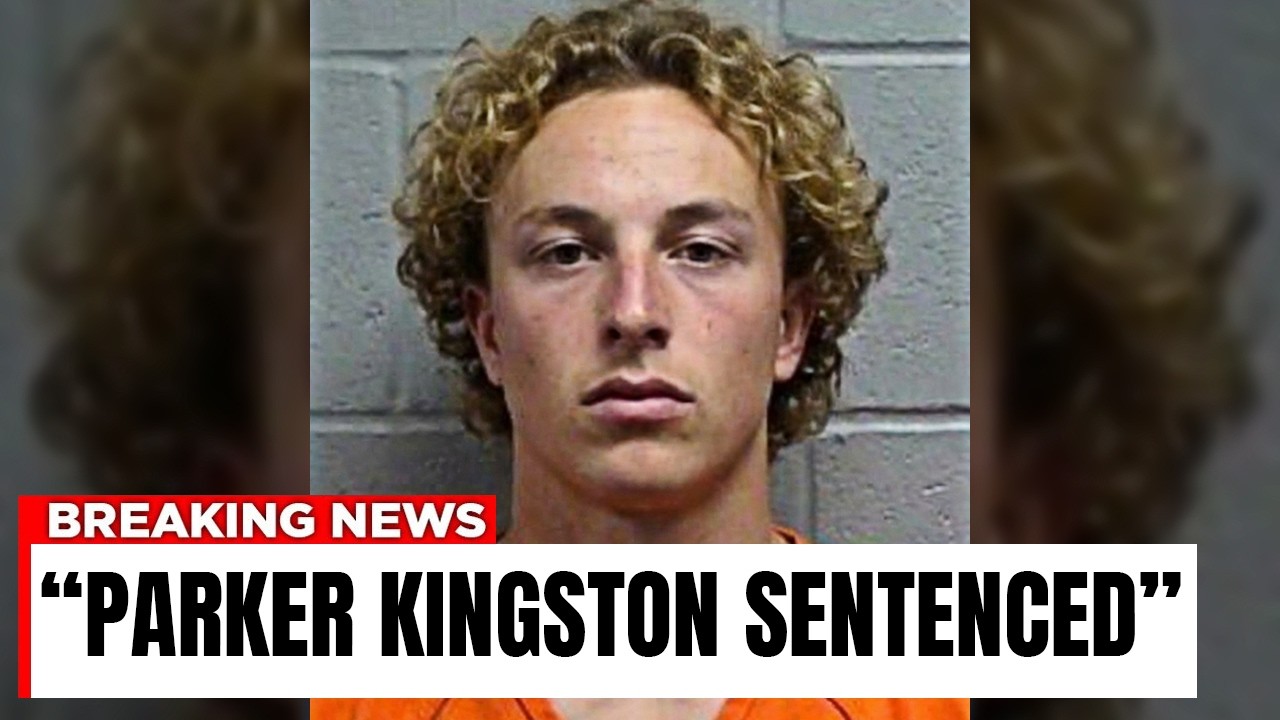
Parker Kingston, once heralded as BYU’s golden boy and an NFL prospect, has been sentenced to prison for first-degree felony rape. His fall from grace has shocked the sports community, raising urgent questions about the university’s awareness of the allegations and the systemic issues surrounding sexual assault cases in college athletics.
The incident that led to Kingston’s conviction occurred on February 23, 2025, in St. George, Utah. A 20-year-old woman, referred to as AM, had communicated her lack of consent to Kingston multiple times before their meeting. Despite her clear boundaries, Kingston proceeded to assault her, igniting a year-long investigation that would ultimately shatter his promising career.

Court documents reveal that Kingston arrived at AM’s residence with premeditated intent, evidenced by digital communications retrieved from his phone. This critical detail undermined his defense of consent, painting a disturbing picture of a calculated act that would haunt both the victim and Kingston’s future.
Following the assault, the woman reported the incident four days later, leading to a meticulous investigation. While Kingston continued to excel on the football field, earning accolades and planning a wedding, the investigation quietly loomed in the background, raising serious questions about BYU’s handling of the situation.

On February 11, 2026, Kingston was arrested and charged, marking a dramatic turn in a narrative that had previously celebrated his athletic prowess. The court deemed him a danger to the community, denying bail as the gravity of the charges sunk in. Under Utah law, rape is classified as a first-degree felony, carrying a potential life sentence.
The ramifications of Kingston’s arrest extend beyond his personal life, sending shockwaves through BYU and its community. The university’s response has been criticized as insufficient, prompting scrutiny over how Kingston was allowed to play an entire season amid serious allegations.

BYU’s honor code complicates matters further, as any acknowledgment of premarital sexual activity, regardless of consent, constitutes a violation. Kingston’s admission during investigations could jeopardize any chance of returning to the program, regardless of the legal outcome.
As Kingston faces the possibility of a lengthy legal battle, the fallout from his actions continues to ripple through the lives of many. The victim, his fiancée, teammates, and the broader BYU community are left grappling with the emotional and reputational damage inflicted by this case.
The story of Parker Kingston serves as a stark reminder of the hidden struggles within college athletics, where the pursuit of glory can often overshadow critical ethical responsibilities. As the legal proceedings unfold, one thing remains clear: the golden boy of Provo is now a cautionary tale that will resonate for years to come.