Rory McIlroy’s stunning one-stroke victory over Scottie Scheffler at the Masters has triggered a seismic shift, costing Scheffler over $1 million after taxes and rewiring the fabric of professional golf preparation. McIlroy’s back-to-back Masters titles and strategic schedule overhaul spotlight a new era of fierce competition and player autonomy.
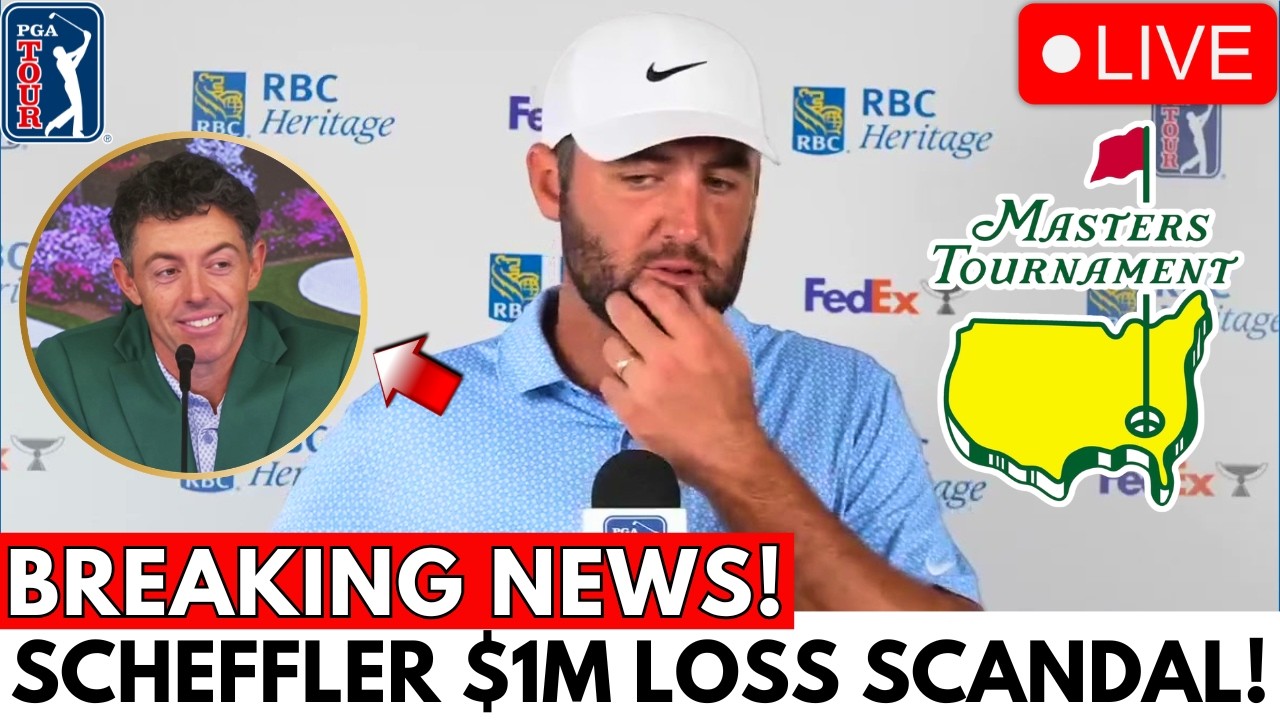 The Masters Tournament finale delivered a nail-biting duel, with the world number one, Scottie Scheffler, firing a flawless bogey-free final round. Despite his impeccable performance under immense pressure, Scheffler fell just short, losing by a single shot to Rory McIlroy, who reclaimed the green jacket in emphatic fashion.
McIlroy’s win translates into a substantial payday of approximately $4.5 million, while Scheffler’s second-place finish earns him about $2.43 million. Yet, the real sting lies in the tax implications: with combined federal and Georgia state taxes nearing 42%, Scheffler forfeits over $1 million just in taxes alone on his runner-up earnings.
This staggering financial gap underscores the brutal margins in professional golf, where a solitary stroke doesn’t just decide trophies but also reshapes millions in earnings. The Masters’ $22.5 million record purse amplifies the high stakes, turning every swing into a potential financial windfall or heartbreak.
But this Masters showdown was only half the story. Immediately after his historic victory, McIlroy shocked fans by skipping the prestigious RBC Heritage tournament once again—an event he has not played since 2020. Notably, this time he faced no financial penalty, reflecting new PGA Tour rules granting players greater flexibility in their schedules.
In prior years, McIlroy was fined $3 million for missing designated events like the RBC Heritage. The PGA Tour’s policy shift signals a growing recognition of players’ desires to prioritize major championships and personal well-being over the traditional grind of weekly tournaments.
McIlroy’s strategy leading up to the Masters was revolutionary. Instead of competing in tune-up events around Houston or San Antonio, he transformed Augusta National into his training ground. Utilizing private jets, he commuted daily to practice, balancing family life and preparation in a way that exemplifies intentional, high-level planning.
Inspired by Jack Nicklaus’s legendary preparation methods, McIlroy adopted a tournament simulation approach—playing full rounds under competitive conditions to internalize the course’s demands. This meticulous regimen manifested in his unshakable composure and pinpoint execution throughout the Masters, leaving spectators dazzled by his command.
 By opting out of regular tour stops and emphasizing quality over quantity, McIlroy has redefined what it means to prepare for majors. His back-to-back Masters triumphs attest to the effectiveness of this approach but raise urgent questions about how the PGA Tour’s structure might evolve in response.
The implications for the tour are profound. If more top players emulate McIlroy—selectively playing events and focusing primarily on major championships—the traditional week-by-week intensity the tour relies on could diminish, reshaping the season’s rhythm and fan engagement.
Casual viewers may miss how razor-thin margins on the leaderboard translate into enormous financial and reputational consequences. Scheffler’s story exemplifies this brutal reality—flawless play can still fall short when facing a competitor operating at McIlroy’s strategic and skillful zenith.
McIlroy’s calculated control over his schedule and preparation reveals a veteran athlete prioritizing legacy and family over collectable appearances. This approach challenges long-standing expectations about the PGA Tour’s player commitments, signaling a new paradigm where personal agency drives professional success.
However, this shift also risks fragmenting the tour’s collective 𝒹𝓇𝒶𝓂𝒶. The prospect of top stars skipping key events may reduce opportunities for compelling head-to-heads and diminish the narrative continuity that keeps fans invested throughout the year.
The PGA Tour now stands at a crossroads. The competition’s caliber has never been higher, nor the stakes more financially intense. Yet structural adaptations must balance players’ evolving priorities with the sustainability and excitement of a full-season tour.
For golf enthusiasts, this moment marks a pivotal transformation. The game’s highest level is no longer solely defined by skill but by razor-sharp strategy in preparation, scheduling, and mental resilience—areas where Rory McIlroy currently leads the pack with masterful execution.
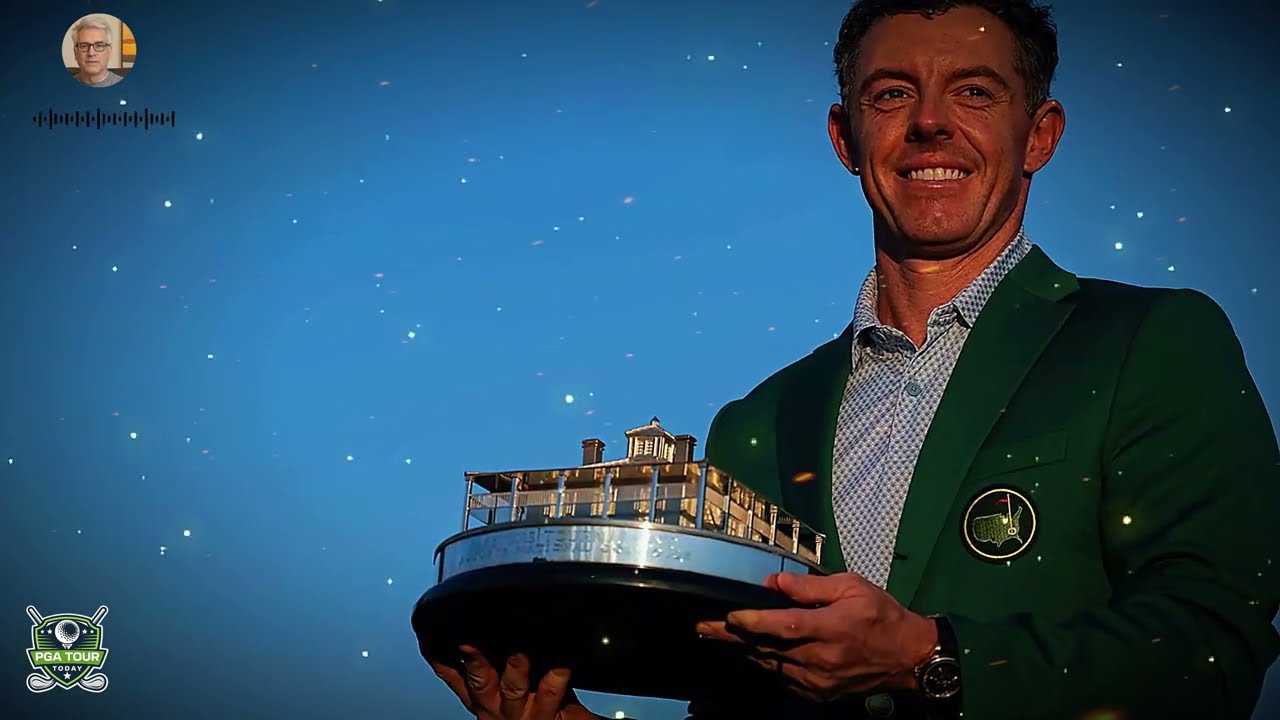
As Rory McIlroy raises his second green jacket in a row, the landscape of professional golf has unmistakably changed. The intersection of intense competition, massive money swings, and players’ pursuit of autonomy promises a future that is more strategic, unpredictable, and enthralling than ever before.
Scheffler’s near-perfect round on Masters Sunday and McIlroy’s dominant edge encapsulate a sport where fractions of seconds and inches carry enormous weight. Their duel embodies not only a championship battle but also a vivid narrative about the ongoing evolution of the PGA Tour.
Ultimately, the story unfolding at Augusta National is about more than a trophy—it’s a testament to how elite golfers are battling not only opponents but longstanding conventions. Rory McIlroy’s triumphivity and tactful scheduling herald a new era, compelling us to rethink what it means to win at golf’s highest level.
The lessons from this Masters ripple far beyond the final putt. They invite fans and insiders alike to observe the shifting balances of power in the sport, where money, preparation, and choice now determine outcomes as much as natural talent and shot-making brilliance.
In a landscape where splitting hairs means millions lost or won, and a change in routine can equate to a career-defining victory, Rory McIlroy’s dual victories and savvy planning signal that modern golf demands equal measures of savvy strategy as it does athletic skill.
Moving forward, the PGA Tour’s challenge will be embracing these evolving player priorities while preserving the integrity and excitement of the season-long competition. How the tour navigates this delicate balance could redefine golf’s most prestigious stages.
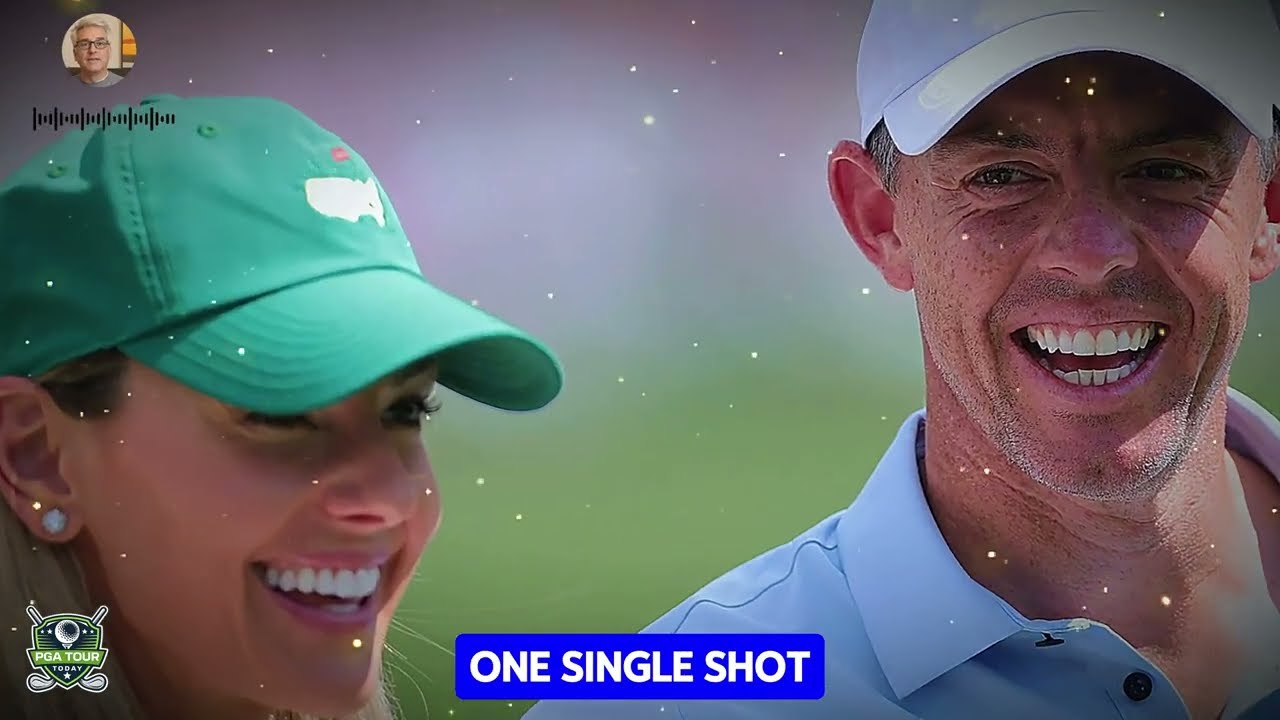 McIlroy’s recent decisions have sent shockwaves, not just for his personal career but for tournament organizers, sponsors, and fellow players who now watch closely as new freedoms reshape the competitive calendar and player allegiances.
For Scottie Scheffler, the narrow defeat stings deeply—not just in lost glory but in an extraordinary financial impact starkly illustrating the high-stakes nature of modern professional golf. His resilience and skill still mark him as a formidable force on tour.
This unfolding saga of victory, loss, and reform transcends sport. It is a microcosm of how top-tier athletes everywhere are pushing back against tradition, recalibrating what matters most to their success, longevity, and happiness.
Fans hungry for 𝒹𝓇𝒶𝓂𝒶 will find it in every shot, every schedule choice, every tactical pivot unfolding on the PGA Tour. As Rory McIlroy and Scottie Scheffler have shown, the margins are razor-thin, the rewards immense, and the stakes higher than ever.
We are witnessing the birth of a new golf era—one where winning demands adaptation beyond the green and fairway—where mental acuity, lifestyle balance, and strategic mastery define who will rise to the top and who will fall just short.
The story does not end here. Rory McIlroy’s playbook has rewritten the script while Scottie Scheffler’s ordeal reminds us all that elite golf is as unforgiving as it is exhilarating. The PGA Tour’s next chapters promise even greater tension and transformation.
This Masters felt like a tipping point, a confluence of unprecedented financial stakes and personal agency that challenge our understanding of the sport. As players gain control over their paths, the competition itself becomes a thrilling, unpredictable spectacle.
In sum, Rory McIlroy’s narrow win over Scottie Scheffler is a landmark moment that extends far beyond the leaderboard. It marks the dawn of a new era in professional golf—bold, strategic, and laden with opportunity and uncertainty alike.
Source: YouTube