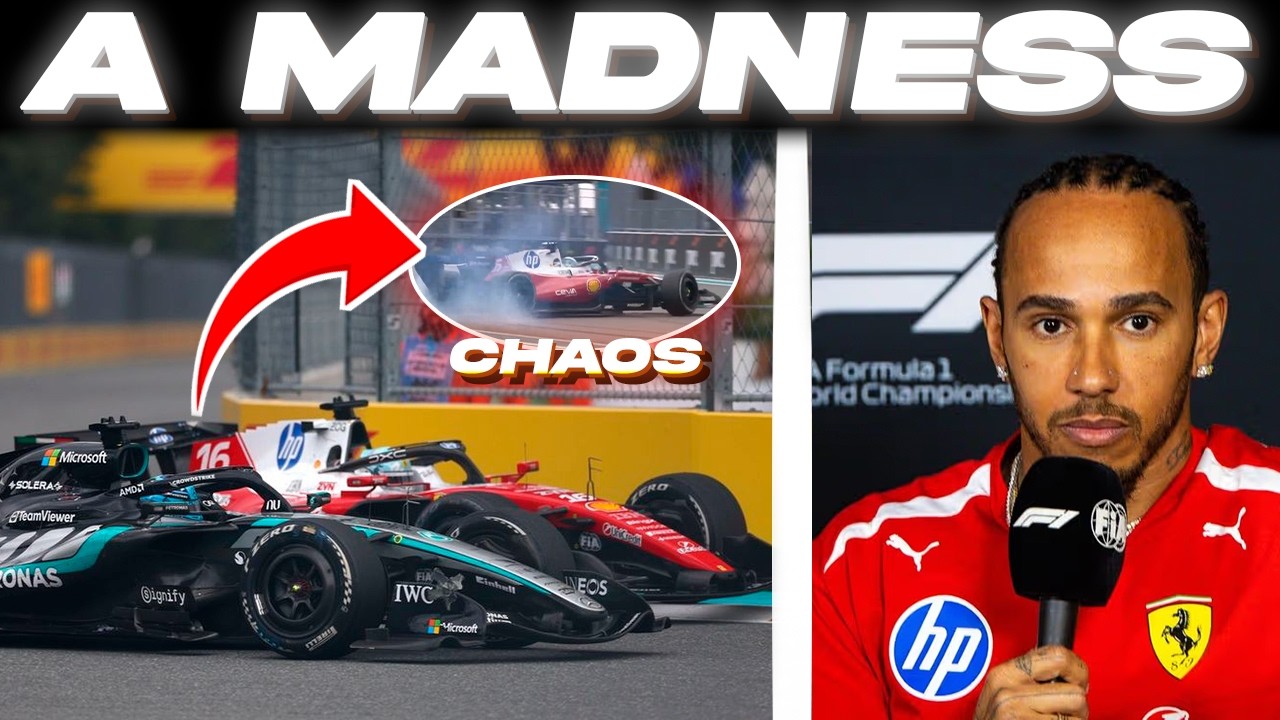
In a shocking turn of events at the Miami Grand Prix, both Charles Leclerc and Lewis Hamilton unleashed their fury on race engineers after a catastrophic series of miscommunications and mismanagement during pit stops marred what was supposed to be an exhilarating showdown. As the dust settles on the sun-drenched track, tension lingers in the air, leaving fans and teams alike grappling with the aftermath of the chaos that unfolded.
Early in the race, the atmosphere was electric as the pole position contenders jostled for supremacy. Leclerc, driving for Ferrari, and Hamilton, representing Mercedes, took to the track determined to showcase their prowess in front of a roaring crowd. But fortunes quickly turned when the race approached a critical juncture—the pit stop. In motorsport, the precision of the pit crew is as vital as the skill of the drivers themselves, and today, that was starkly evident.

As the cars barreled down the straight, the call for an early pit was made. Leclerc was in line for a quick tire change, but the race engineer’s communication was muddled. What should have been a seamless exchange turned into a moment of utter confusion. As the Ferrari team scrambled, the botched timing resulted in wasted seconds—seconds that could be the difference between victory and defeat. Leclerc, known for his fierce competitive spirit, did not hold back his disappointment over the radio, voicing his frustration with expletives that echoed through the team’s radio communications.
But the simulation of chaos didn’t end there. Moments later, Lewis Hamilton found himself in the pit lane as well, only to discover a similar fate. Mercedes’ pit crew failed to deliver the quick stop expected of them, leaving Hamilton fuming with anger as he sped back onto the track with time lost that could have secured him a podium finish. His voice, laced with incredulity, exploded through his radio as he demanded to know how such mistakes could be made at such a critical juncture. The palpable frustration of two of Formula 1’s titans was evident, with both drivers suggesting that the race’s outcome hinged on these blunders.
Fans watched in disbelief as the race unfolded, the sudden twist of fate turning the Grand Prix into a spectacle of frustration and missed opportunities. The crowd, initially jubilant, found themselves gasping at the potential fallout from these mistakes. Social media exploded in response to the pit stop debacle, with hashtags like #PitStopNightmare trending as spectators and pundits alike weighed in on the monumental failure of two of the sport’s top teams. Commentators scrambled to assess the fallout while former drivers shared their takes, highlighting the immense pressure race engineers are under during such high-stakes moments.

As the backdrop of the Miami skyline framed the race’s climax, conversations around the paddock shifted from overtaking strategies to the reliability and efficiency of pit stops. Pit management is a crucial aspect of racing strategy, and with the visibility of both Leclerc and Hamilton’s public outbursts, the implications of these errors extended beyond this race. Teams must prioritize smooth communication and execution to remain competitive, and today’s events underlined the harsh reality of the sport. Questions arose: Can Ferrari and Mercedes recover from this misstep in time for the next race? Will the pressure to perform lead to more errors, or will each team take these lessons as catalysts for improvement?
Following the race, team principals were forced to face the media, embarking on a delicate balancing act between defending their spires and acknowledging the gravity of the situation. With Hamilton’s disappointment and Leclerc’s explosive reactions still fresh, both teams are now under the microscope. It’s clear that there will be calls for accountability after what can only be described as a pit stop disaster that has left a bitter taste not only in the minds of the drivers but also for their dedicated fan bases.
As the Miami GP results roll in, with Leclerc and Hamilton out of contention for top spots they were so close to obtaining, the ramifications of today’s events will reverberate through the entire Formula 1 circuit. Immediate discussions regarding performance assessments and team dynamics have begun to swirl as both drivers vent their frustrations. Contact has already been made with expert analysts who emphasized that an integral part of formula racing is the cohesion between driver and crew. After this latest incident, one must wonder if the rivalry in the forefront is truly between the drivers, or underneath it, a battle for internal excellence on the pit wall.
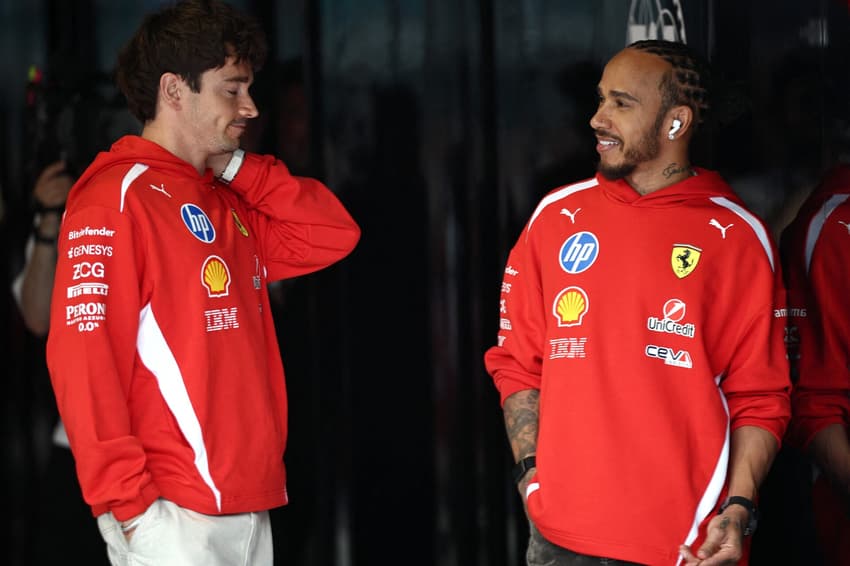
Whether these miscalculations become defining moments for Ferrari and Mercedes or simply lessons learned remains to be seen. What is undeniable, however, is that Leclerc and Hamilton’s vehement reactions have become emblematic of the pressures within the sport, reminding everyone involved just how quickly the balance of power can shift in Formula 1. The Memphis Grand Prix is just around the corner, but the road towards redemption will be fraught with the echoes of anger and the urgency to reestablish team credibility.
As for Leclerc and Hamilton, both drivers will have to channel this disappointment into performance in the weeks ahead. Will they muster the resilience needed to dominate once again? Only time will tell, but one thing is certain: the eyes of the racing world are firmly fixed on the next chapter of this electrifying motorsport saga.